A Mature Scholar Reflects on a Mature Augustine
It’s a great honor to have published, on September 8, 2026, in Plough Magazine, an interview on Augustine and friendship with my friend and neighbor, Professor of History (Emeritus) Peter Brown. The article was published in print and is also available online. Brown is the author of a seminal biography of St. Augustine entitled Augustine of Hippo. First published in 1967, this acclaimed work is still widely read and has influenced the academic study of the period of late antiquity.

Although he retired from teaching and rarely travels for public lectures, Peter and I share the same block in Princeton. We have spent hours in each other’s homes in friendly conversation about personal, intellectual and spiritual interests.
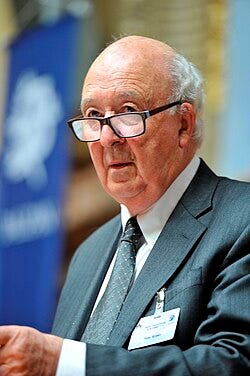
When Plough’s editorial team asked me to interview him about Augustine and friendship, I jumped at the chance. To share some of our conversations with a wider public is an honor.
I reviewed notes from the Scala Foundation seminar on Augustine and friendship he led at my home several years ago. I poured through his epilogue to Augustine of Hippo, knowing that the back pages we call epilogues often contain a more mature scholar’s voice reflecting on his own words.
In our interview, I asked Peter to share the mature Augustine’s views on friendship. I also asked him:
Augustine’s theology is often thought of as stern, focusing on conversion, original sin, the need for grace, and mercy. Do we see anywhere in Augustine’s writings or sermons that friendship among humans can be a channel of grace, an experience of God’s glory? How do ancient understandings of friendship differ from ours?
How did Augustine’s experience of friendship evolve during his pre-Christian life and his life as a Christian and a bishop?
Finally, I asked Peter for closing words, advice from Augustine for readers today. True to his historical method and rich description of the liturgically rich early church, Peter responded:
“Sometime around 420, not far from the brutal crisis of the slave trade in Hippo, in a world rendered less and less stable by barbarian raids and a church embittered by the Pelagian controversy, we can hear him preaching an evening sermon. As the congregation – monks, nuns, and laity alike – trooped out of the brightly lit basilica into the dark, he reminded them:
I sense that your feelings have been drawn upwards with me to heaven. But now I will put away the copy of the Gospel. You will go home, each your own way. … It was good for us to be bathed in that common Light. It was good that we rejoiced. It was good that we have exulted together. But, as we now walk away from each other, as we go each to our own home, may we not walk away from our shared God.
May it be so!”
Teaching Notes
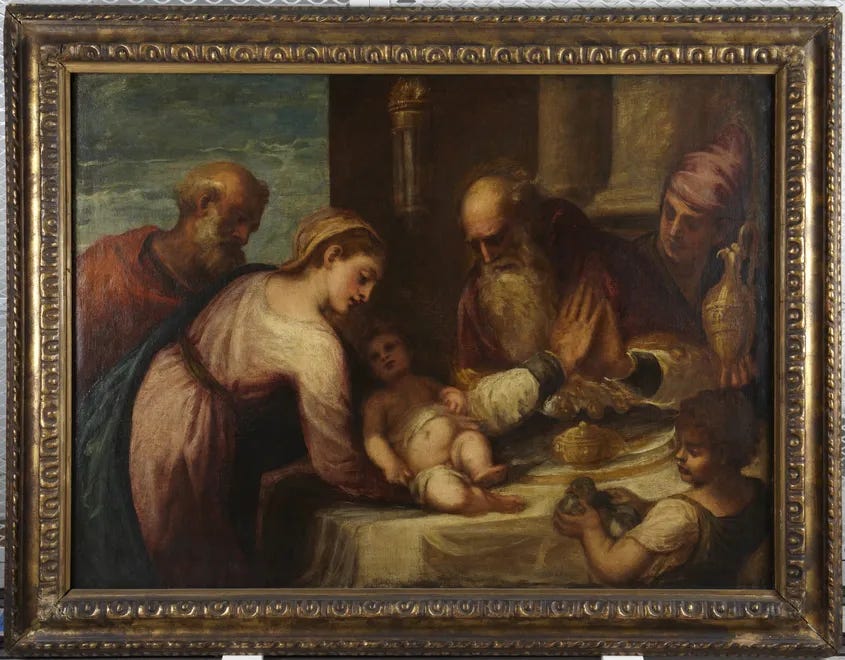
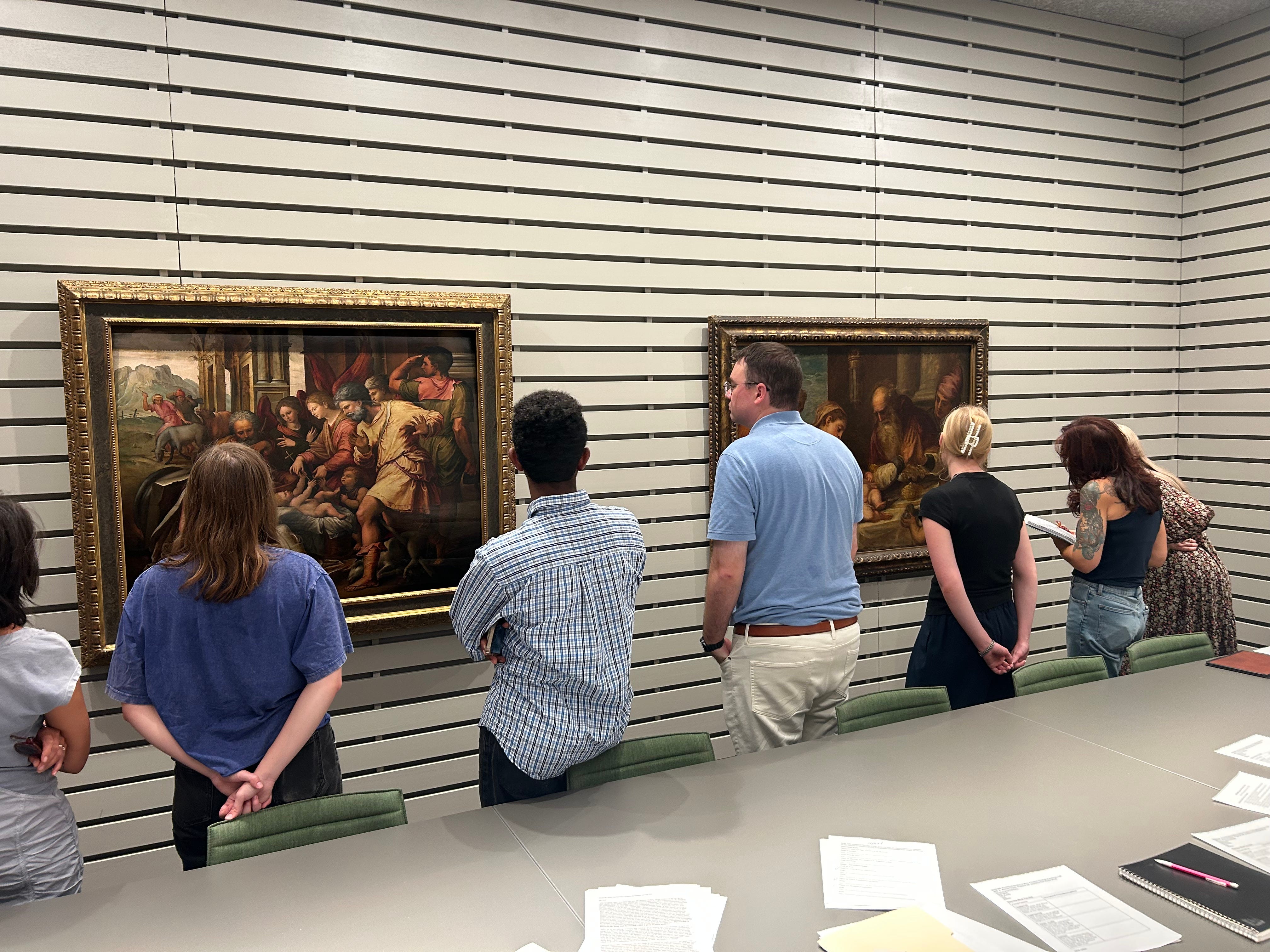
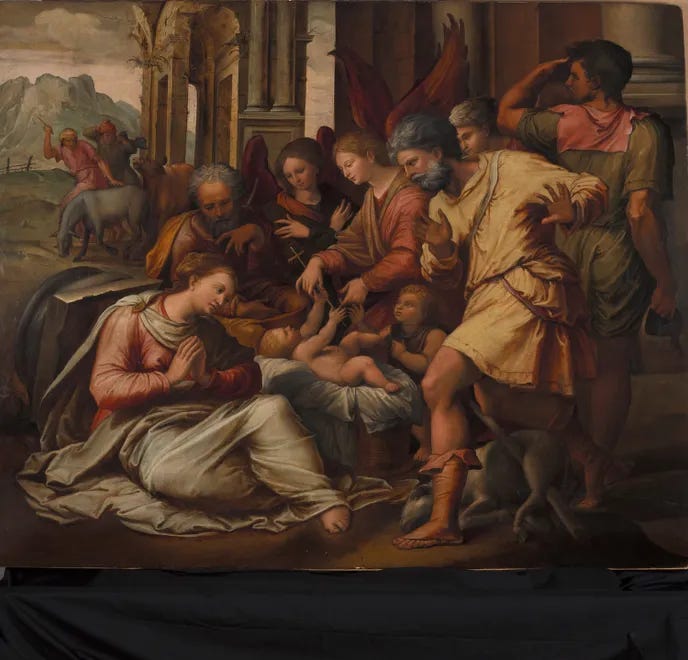
Whenever we meet up, Peter always asks how my teaching is going at Princeton Theological Seminary. I’m delighted to share that the students in my class on devotion to Mary had their first visit to the Princeton University Art Museum, where the staff kindly arranged a special viewing of images taken from storage that recount the infancy narratives. Gazing at the enormous images, we pondered how Jesus is the center, but Mary is essential.
In my class on Teaching as a Vocation, the archivists at Princeton Theological Seminary opened the semester for us with a fantastic collection of children’s Bibles and illustrated volumes for teaching the faith to children.

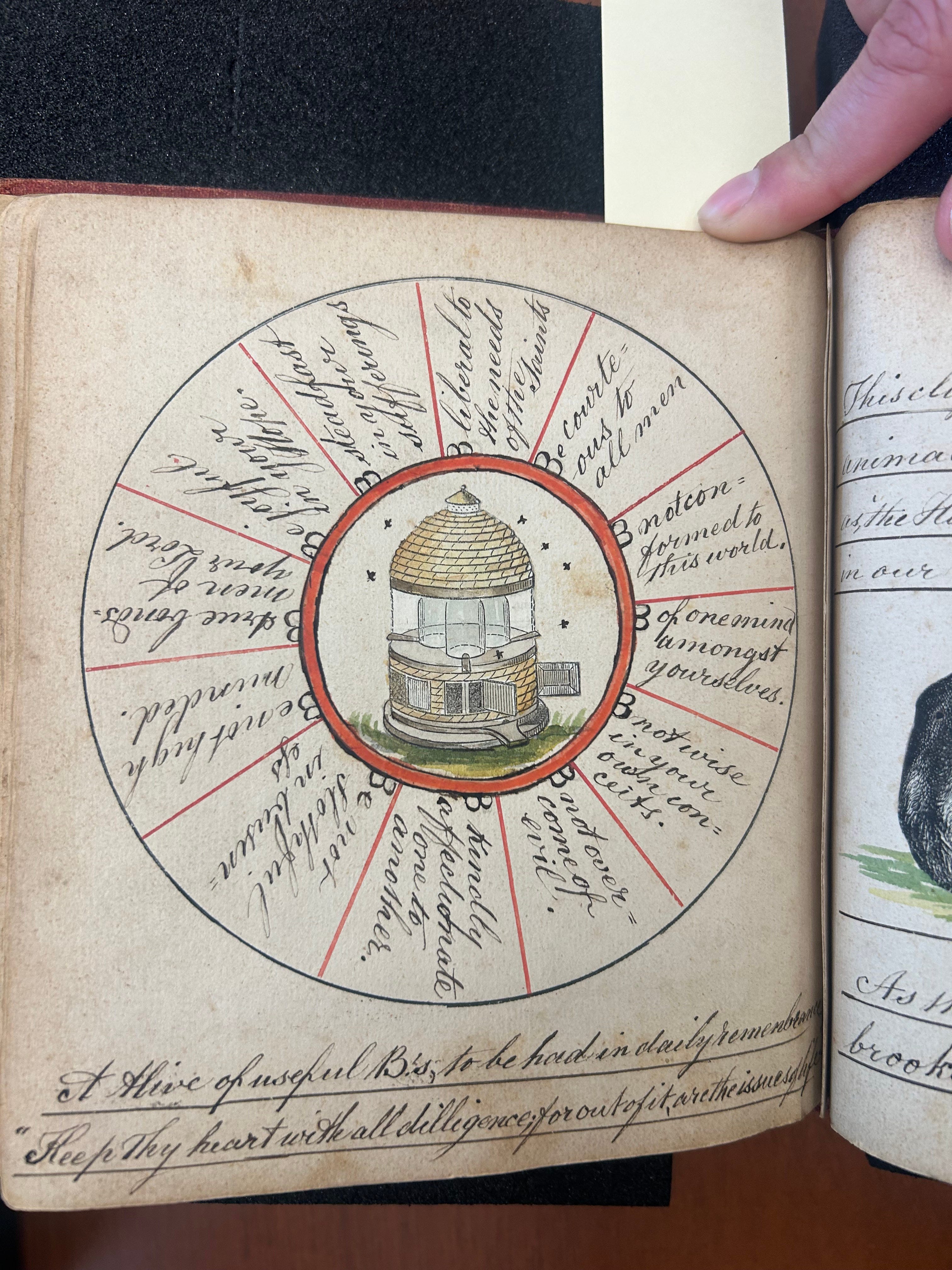
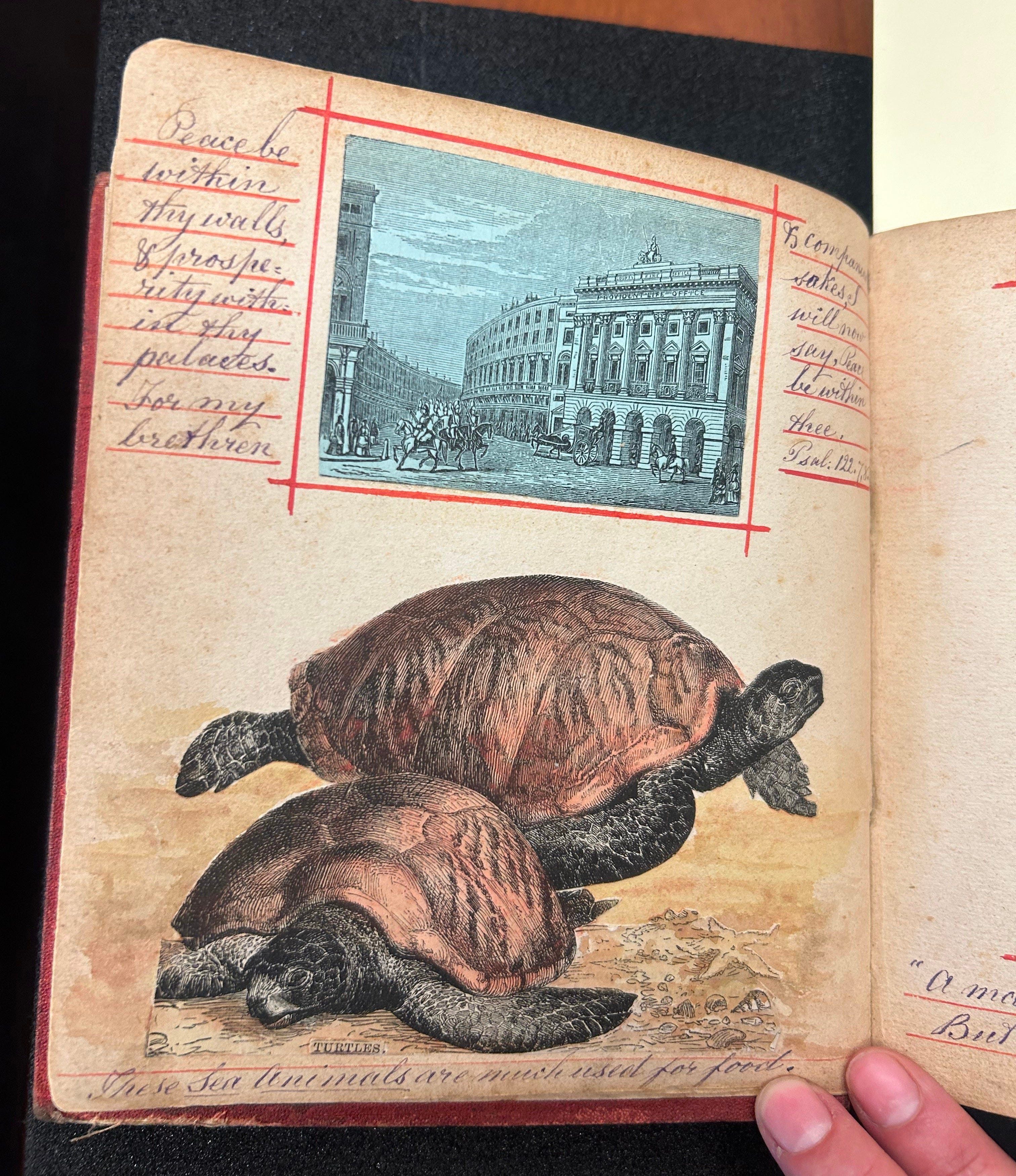
As part of the class, students will have the opportunity to guest teach at an after-school program affiliated with Nyansa Classical Community that teaches the classical tradition alongside the African-American intellectual tradition. Nyansa’s leaders have invited my students to contribute new lessons for their curriculum on the book of Exodus. Those lessons will use Biblical exegesis from the church fathers to explore women in the Bible.
The Way of Beauty in Princeton
A large group of students at Princeton Theological Seminary signed up for my 1-credit class, where I share how the Way of Beauty process brings together Psalms, Creativity, and Vocational Discernment. So far, we’ve covered topics like the Christian understanding of happiness and how to deal with anger and resentment. As future leaders in the church and society, the students’ final projects in that class will be to propose where and how they would start their own groups.
As an extracurricular group, our Tuesday morning Way of Beauty Fellowship is meeting again on the Princeton campus, followed by breakfast. If you want to join us, please let me know.
Update on Our Anniversary Campaign
With donations coming in from as far away as Western Australia, I’m delighted to tell you that we met our August goal of raising $15,000, every penny of which was matched by a generous donor!
Your generosity is making these initiatives possible, and I can’t wait to share more with you. My wild dream is to share with as many people as possible the conversations, art, archives, and curricula that I explore with wonderful professors like Peter Brown, my fantastic students, and the amazing student leaders of Scala’s Way of Beauty Fellowship.
Is all of this really possible? Can your dreams come true?
As Peter Brown said, if we have the faith of a man like Augustine, why not put our trust in God and reply: “May it be so!”