Dear Friends,
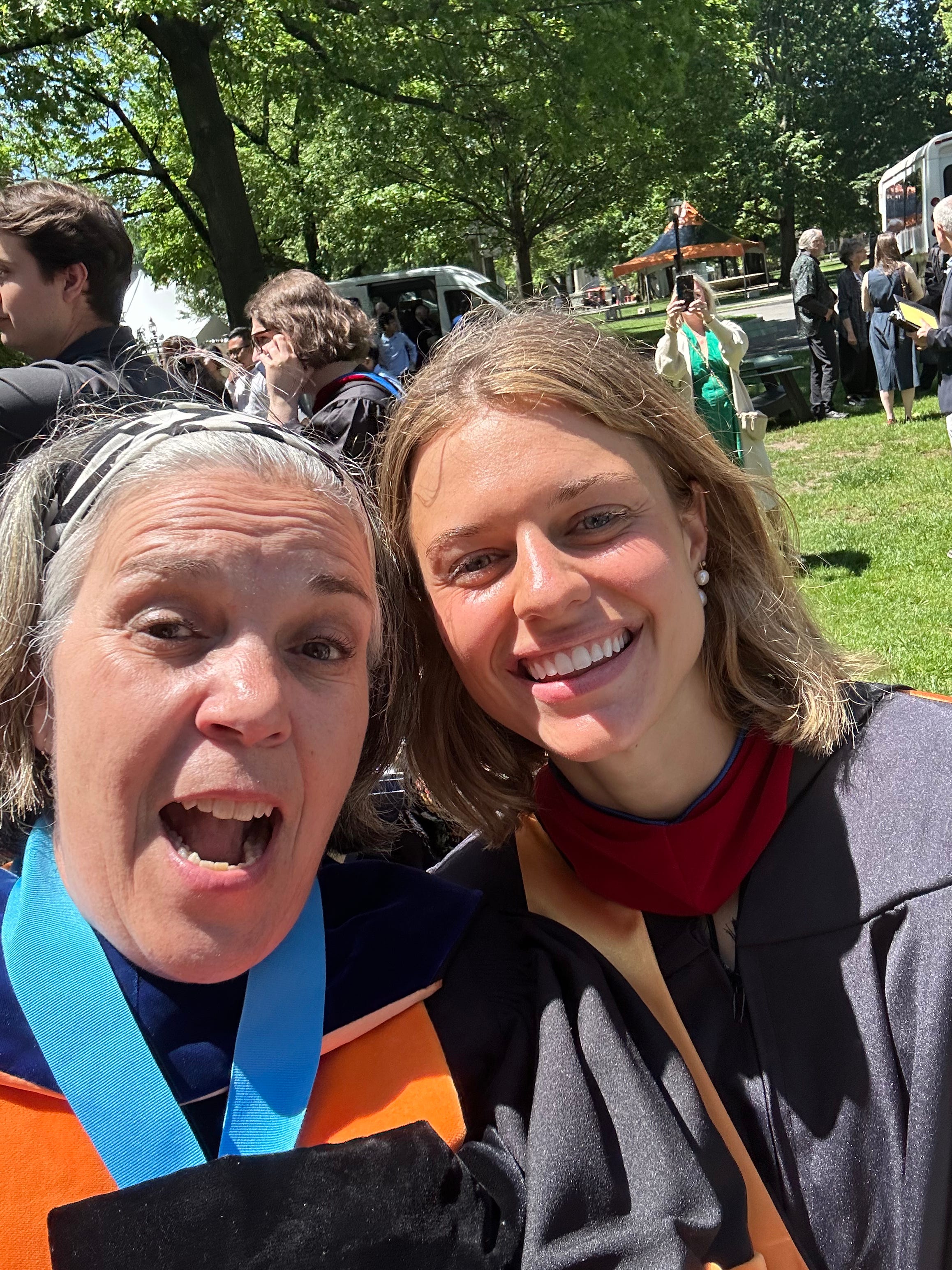
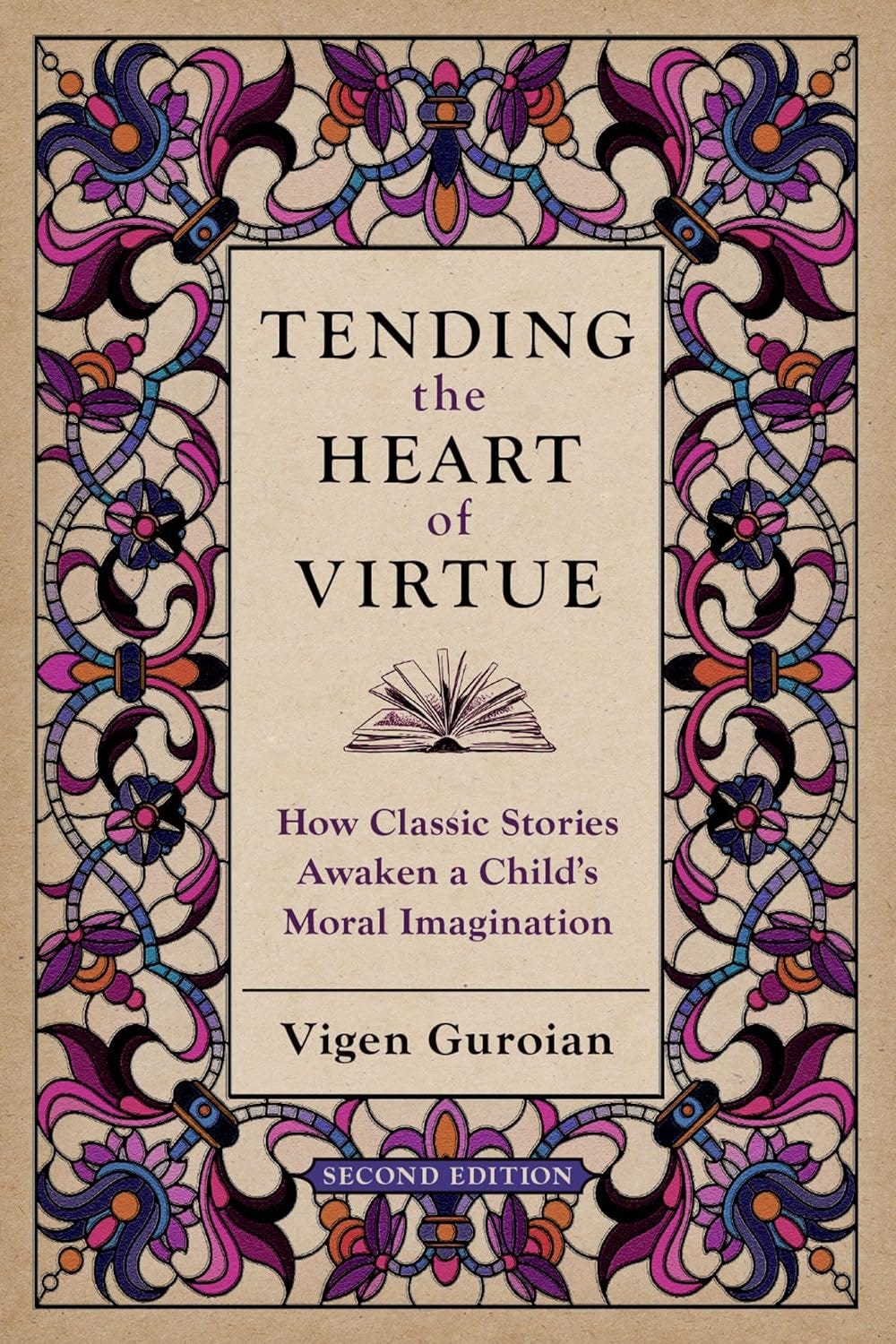
As a professor, May is a time to celebrate my students’ graduation and dive into my endless reading list. After the Princeton Theological Seminary graduation, a student named Ella hugged me and thanked me for introducing her to Vigen Guroian’s book Tending to the Heart of Virtue: How Classic Stories Awaken a Child’s Moral Imagination. “Taking your class on Christianity and the Liberal Arts and writing about Guroian’s book for that class inspired me to become a literature teacher at a classical high school in Georgia,” Ella told me.
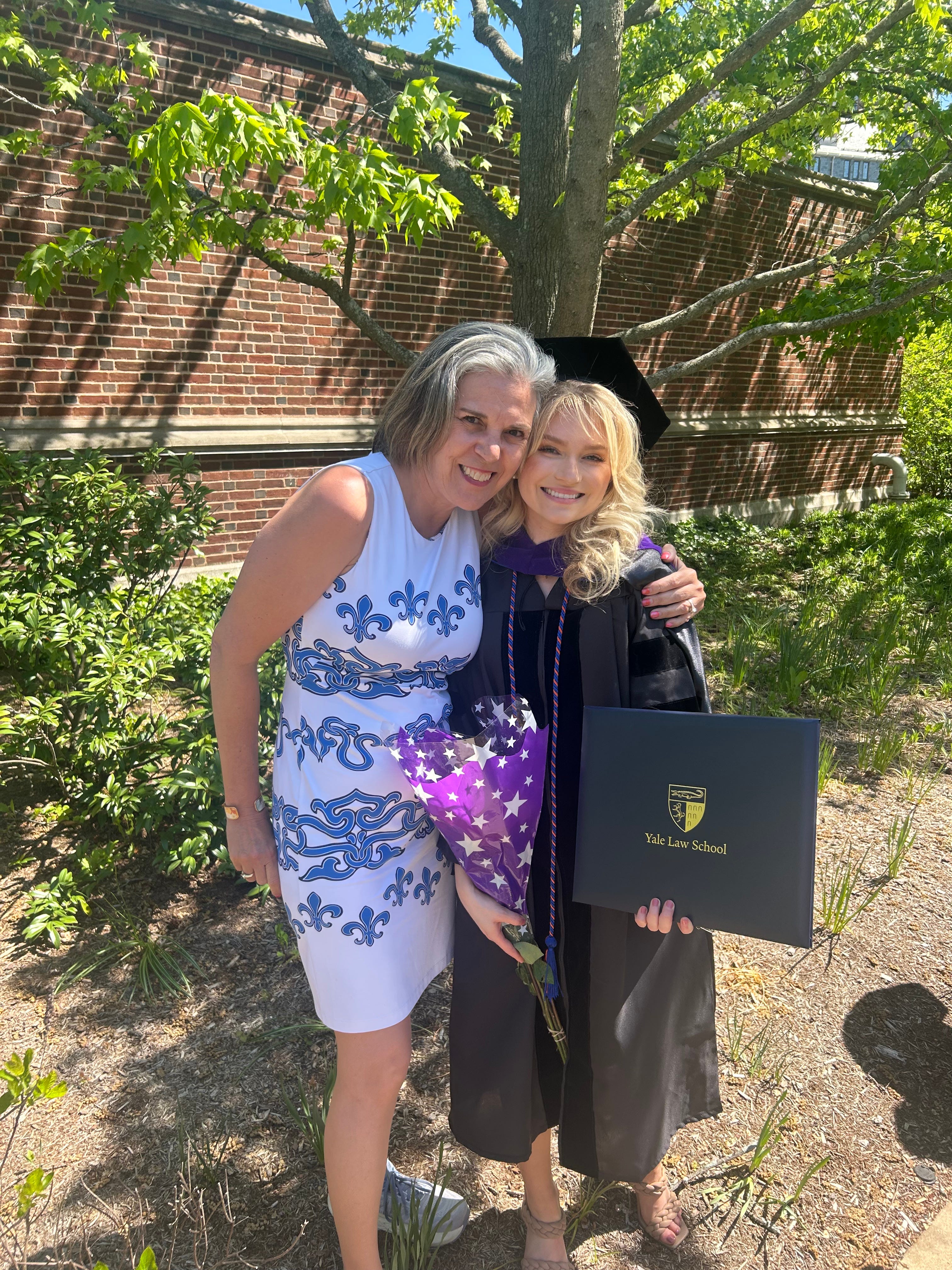
A couple of days later, I visited my alma mater, Yale University, to attend the law school graduation of a young woman named Olivia. Olivia studied piano at Chapman University and volunteered to mentor young people while a student there. When she enrolled in Scala’s summer program in 2021, she was fascinated to learn how music is one of the liberal arts. At Yale Law School, she was a leader of the Federalist Society and was a Blackstone Fellow with Alliance Defending Freedom. She sometimes played piano at gatherings of law students and professors. Sitting with her mother, grandmother, uncle, and other mentors at her Yale graduation (30 years after mine!) brought me tremendous joy.
The death of philosopher Alasdair MacIntyre on May 21, 2025, reminded me of how I first read his landmark book After Virtue from cover to cover with an ambitious undergraduate student around 15 years ago. Reading and teaching go hand in hand for me; teaching for me does not end when students leave my classroom. MacIntyre is the author who perhaps appears most often on my syllabi and whose writing has shaped the very categories in which I think. I spent several days texting many students with whom I’ve read MacIntyre, sharing the insights we each learned from him. Introducing students to MacIntyre and others whose work has shaped generations of scholars gives me tremendous joy. Teaching is an invitation to students to teach me, as Ella and Olivia have done with their work for my class, and through their commitment to using their talents to serve others.
As soon as my classes are over each May, I pick up new books from my shelves or the library’s shelves, take copious notes, prepare new papers or book projects, and wonder how my new reading will impact my teaching in the coming year. I visited my neighbor, historian Peter Brown, whose writing and teaching about St. Augustine and the early church inspire me. I shared with Peter and his wife my book manuscript with seven people’s stories of how encountering Mary has transformed their faith. Peter commented that discussing Mary in Scripture, art, and theology alongside people’s encounters with Mary presents Mary as someone who is alive today.
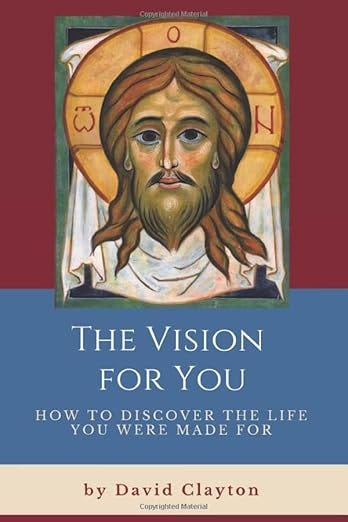
With two students from the Princeton Theological Seminary, I visited Peach Smith, the lead teacher at Koinonia Academy in Princeton. She leads students through my husband David’s Vision for You discernment process starting as early as seventh grade. David and I hope to learn from Peach how we can develop more resources for K-12 teachers in The Way of Beauty—a process of personal formation that integrates artistic practice with intellectual formation and spiritual discernment.
I recently started voice lessons and now find myself singing not only once a week at church, but every day in my personal prayers, while in the car, and while doing chores around the house. Reading Duke Divinity School’s Professor Jeremie Begbie’s article “Music in the Western Theological Tradition” ignited my curiosity to dive deeply into the relationship between theological understandings of divine inspiration and understandings of the vocation of an artist.
My summer shall be filled with reading, catching up with former students, conversations with colleagues in Princeton, a conference on theology and the arts at Blackfriars Hall, Oxford, daily singing of the liturgy of the hours, and even a trip to Crete to learn about iconography and share with art students why their artistic practice shapes intellectual and spiritual formation!
I thought I’d share some reading suggestions and encourage you to find a creative passion—literature, singing, art, gardening, or something else that ignites your imagination, makes you marvel at creation, and inspires you to seek a deeper understanding of your own vocation to co-create with God.
Regards,

Margarita Mooney Clayton, Executive Director, The Scala Foundation
Some Reading and Watching Suggestions for Summer 2025
I love to teach MacIntyre’s books such as After Virtue and Dependent Rational Animals. After his death, I spent a whole day listening to his lectures on the de Nicola Center for Ethics and Culture at the University of Notre Dame, discovering even more gems. In this lecture, MacIntyre explains why it is important to know what kinds of things one must not believe if one is Catholic, namely that Catholics must reject scientific materialism, which appears as one or another way of thinking that negates the reality that humans are a unity of spirit and matter.
I relish memories of reading children’s literature with my brothers’ children, and in his book Tending to the Heart of Virtue, Professor Vigen Guroian explains why children’s fantasy literature is crucial to forming the moral imagination. Yet, not every rendition of classical fairy tales maintain the form and symbolism of the original stories, so parents and teachers need to discern carefully when they choose from various editions of classical stories.
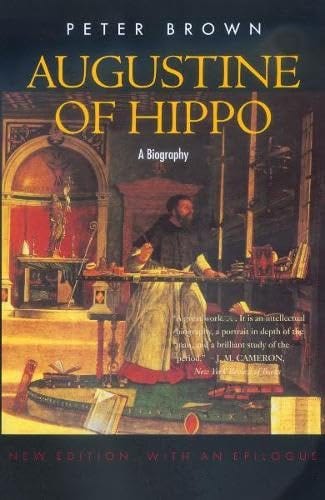
With an Augustinian Pope Leo XIV, now is the time to read historian Peter Brown’s biography of St. Augustine. Peter shared with me how he aimed to capture the inner life of Augustine as he moved through a time of tremendous political, social and religious change. This book is beautifully written and always timely.
My husband David’s book The Vision for You is used in fellowship groups and K-12 schools to explain a daily set of practices that help us discern our personal vocation and take steps in the direction we are being called. Even if our success is not always guaranteed, by following the inspiration we receive we often open doors we could not have imagined until we step out with courage.